
When it comes to sports betting, many people are familiar with traditional fixed-odds betting. However, sports spread betting is a different and exciting approach that offers bettors the opportunity to win (or lose) based on the accuracy of their predictions, rather than just whether they are right or wrong. This dynamic style of wagering has become increasingly popular among seasoned bettors who enjoy a more flexible and high-stakes experience.
In this article, we will explain what sports spread betting is, how it works, and some key tips for those looking to try it.
What is Sports Spread Betting?
Sports spread betting is a form of wagering where the outcome is not simply a win or loss but is determined by how right or wrong your prediction is. Unlike fixed-odds betting, where you bet on a specific outcome and receive a predetermined payout if correct, spread betting involves betting on whether a particular event or statistic will be above or below a quoted spread set by a bookmaker.
In spread betting, your profit or loss depends on the degree to which the outcome differs from the spread.
How Does Sports Spread Betting Work?
Here’s a step-by-step breakdown of how sports spread betting works:
- Understanding the Spread
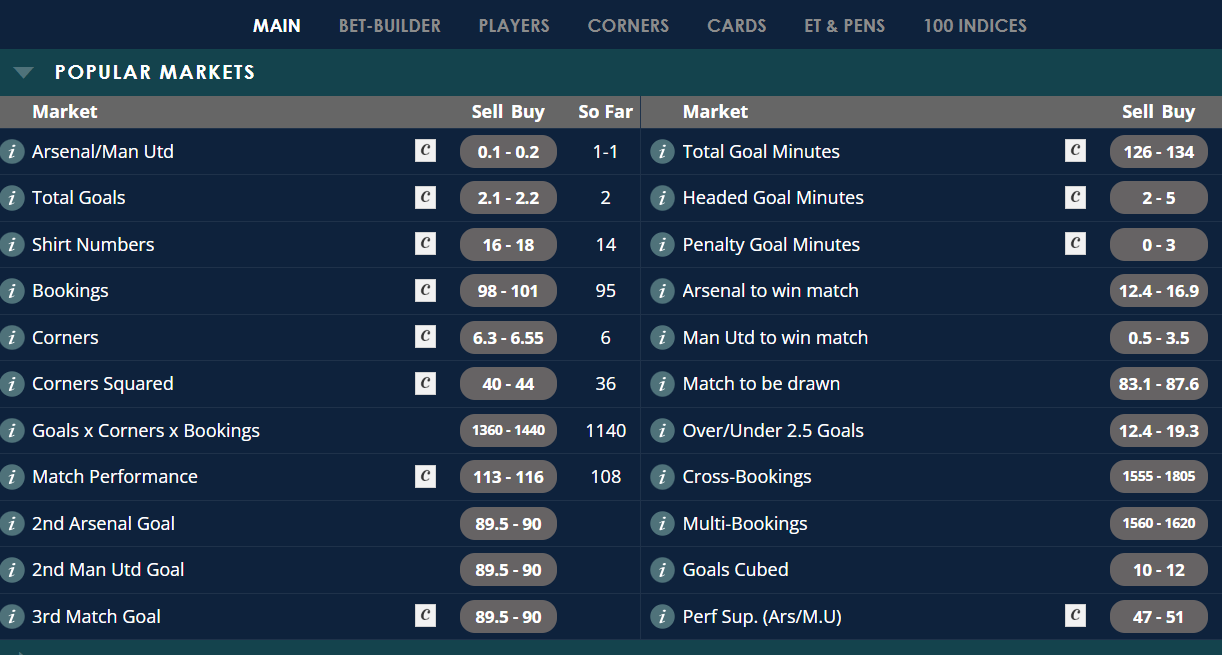
The spread is a range or margin set by a bookmaker for a specific event. For example, in a soccer match, a spread might be set at 2.8-3.0 goals.
- Placing a Buy or Sell Bet
- Buy Bet: If you believe the outcome will be higher than the top end of the spread, you place a “buy” bet.
- Sell Bet: If you believe the outcome will be lower than the bottom end of the spread, you place a “sell” bet.
- Calculating Wins and Losses
Your profit or loss is determined by how far the actual result is from the spread. Let’s illustrate this with an example:
- Suppose you place a buy bet of £10 per point on total goals in a soccer match, with the spread set at 2.8-3.0 goals.
- If the match ends with 4 goals, the result is 1 point higher than the top end of the spread (3.0).
- Your profit is calculated as £10 (stake) × 1 point = £10.
- Conversely, if the match ends with only 2 goals, the result is 0.8 points below the bottom end of the spread (2.8).
- Your loss would be £10 × 0.8 = £8.
Key Characteristics of Sports Spread Betting
- Higher Risk and Reward
Spread betting can result in significant profits if your prediction is highly accurate. However, it also carries the risk of substantial losses if the outcome is far from your expectation. Since your stake is multiplied by the difference between the spread and the actual result, small changes can lead to big swings.
- No Fixed Odds
Unlike traditional betting, there are no fixed odds or payouts. The amount you win or lose varies depending on the final result relative to the spread.
- Wide Range of Markets
Spread betting covers a broad array of markets, from the total number of points scored in a game to individual player performances, and even niche statistics such as the time of the first goal or total corner kicks.
Pros and Cons of Sports Spread Betting
Pros
- Potential for Higher Returns: If your prediction is accurate, the potential returns can be far greater than with fixed-odds betting.
- Engaging Experience: Spread betting offers a more dynamic and interactive experience, as your profit or loss can change throughout the event.
- Diverse Betting Options: The range of available markets provides numerous opportunities to find value and test your expertise.
Cons
- High Risk: Losses can exceed your initial stake, making it a riskier option than fixed-odds betting.
- Complexity: Understanding how spreads work and calculating potential outcomes can be more complicated than traditional betting.
- Volatility: Results can fluctuate significantly during an event, leading to unpredictable outcomes.
Tips for Successful Sports Spread Betting
- Start Small: Begin with small stakes to familiarize yourself with how spread betting works and understand the risks involved.
- Do Your Research: The more you know about the sport and specific event, the better your chances of making an accurate prediction.
- Set a Budget: Establish a clear betting budget and stick to it. Spread betting can be volatile, so it’s essential to manage your bankroll carefully.
- Use Stop Loss Orders: Some spread betting platforms offer stop loss orders, which can help limit potential losses by automatically closing your position if it reaches a specified level.
- Keep Emotions in Check: As with any form of betting, it’s crucial to remain disciplined and avoid chasing losses.
Conclusion
Sports spread betting offers a unique and exhilarating alternative to traditional fixed-odds betting. While it provides the potential for higher rewards, it also comes with greater risks. Understanding how spreads work, starting with small stakes, and employing smart betting strategies can help you enjoy a safer and more rewarding spread betting experience.
Whether you’re a seasoned bettor or a beginner looking for a new challenge, spread betting can add an extra layer of excitement to your sports-watching experience. Just remember to bet responsibly and always stay within your limits.

No comment